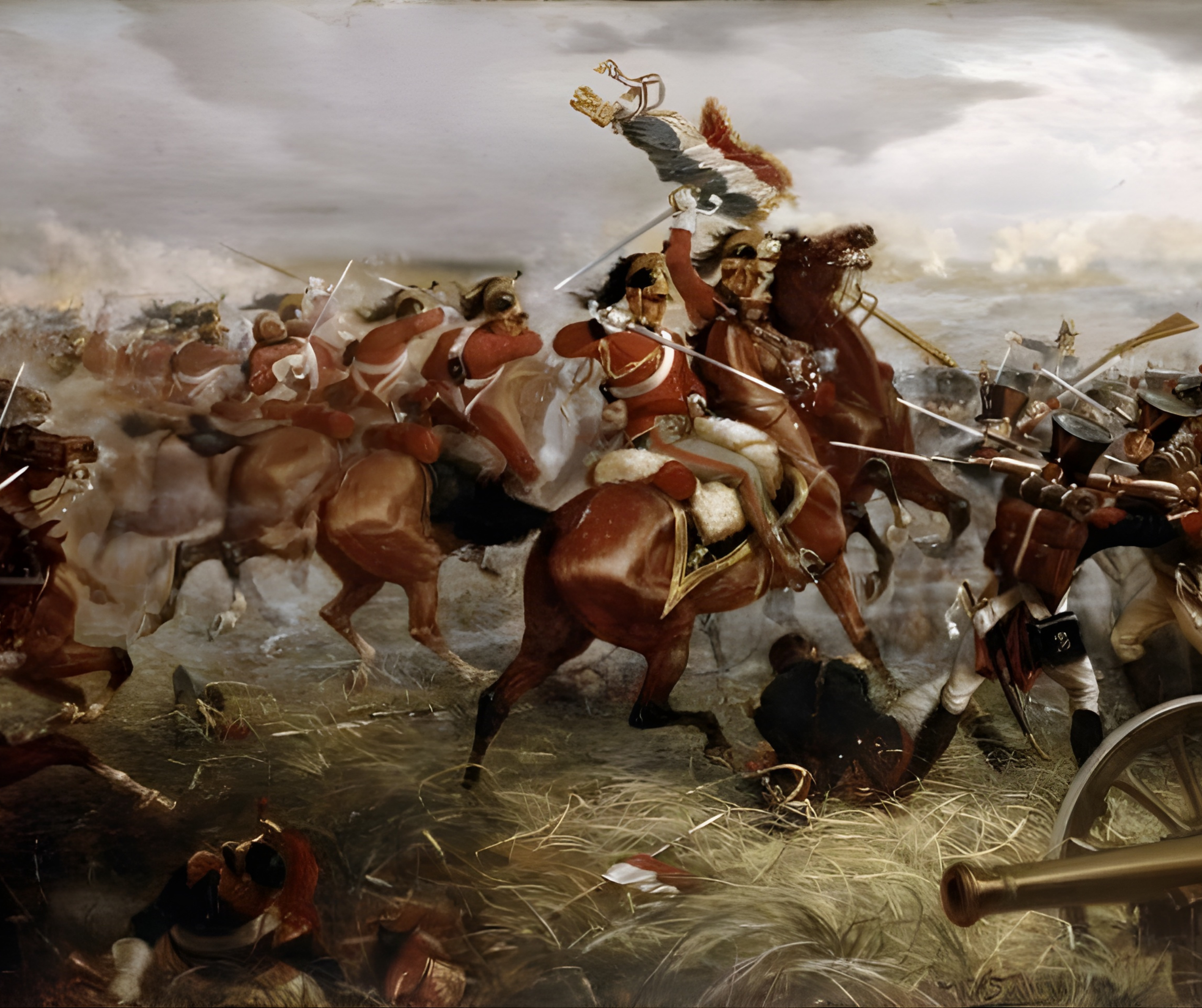
From Waterloo to early colonial Australia.
A soldier. A settler. A life of service beyond the battlefield.
This is the remarkable story of Regimental Sergeant Major Thomas Barlow.
The Thomas Barlow Memorial Project has been established by the Queen’s Dragoon Guards Heritage Trust, a UK registered charity (Charity Number 273874), to recognise and commemorate the remarkable life of Thomas Barlow, a veteran of the regiment and the Battle of Waterloo who later settled in the Port Phillip District in Victoria, Australia and became an active contributor to the early civic and charitable life of colonial Melbourne. Through research, education and the creation of a permanent memorial at his gravesite, the project aims to bring renewed attention to a largely forgotten veteran and ensure his contribution to both military history and his adopted community is properly recognised and remembered.
In partnership with Young Veterans, the project also seeks to connect Barlow’s story with the veteran community of today. More than 200 years after Waterloo, the themes of service, transition, purpose and camaraderie remain just as relevant. Together, we aim not only to create a fitting and permanent memorial to one remarkable veteran, but to use his story to bring veterans together, support and promote the work of Young Veterans, and celebrate the contribution veterans continue to make to their communities long after their military service has ended.
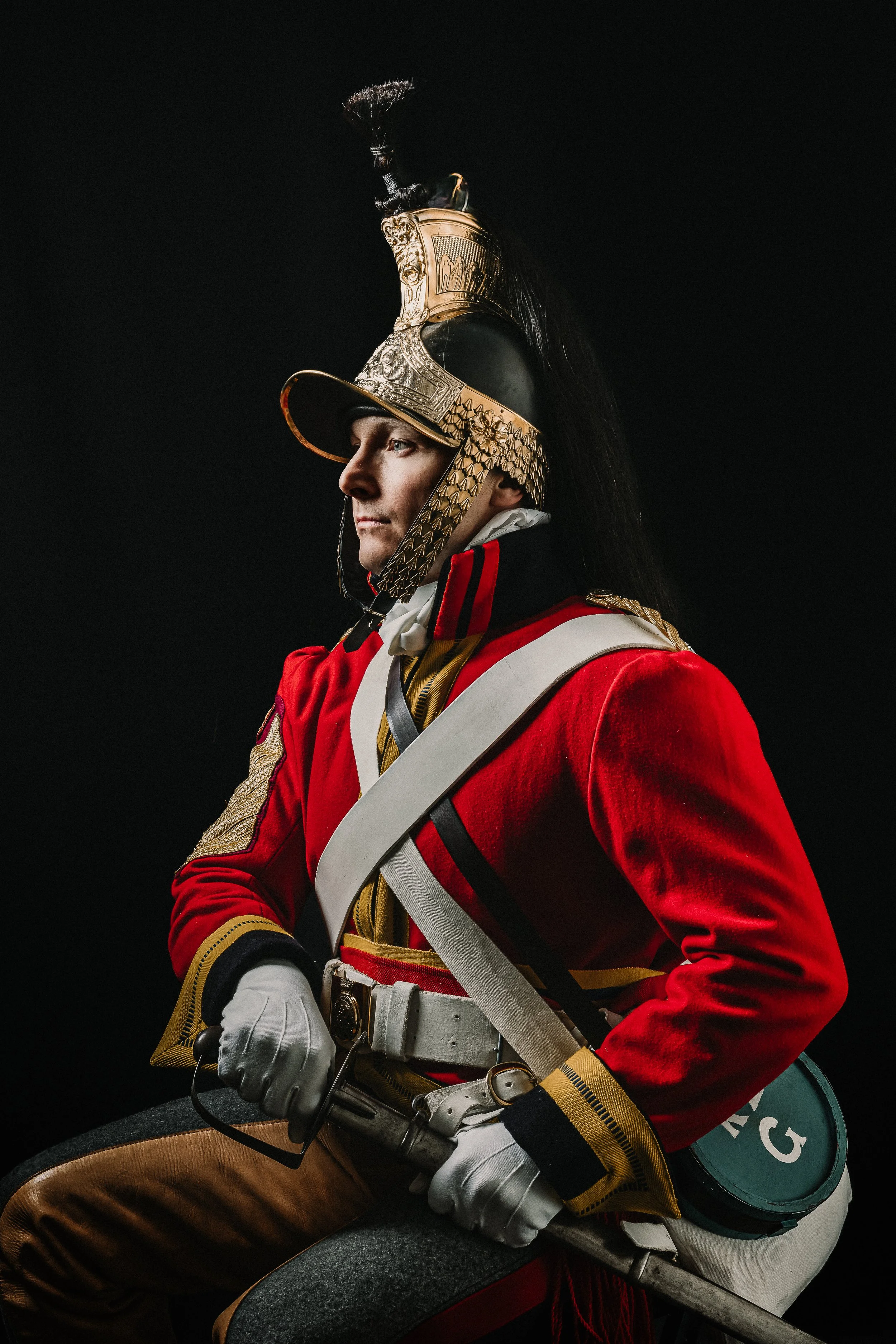
Who was Thomas Barlow?
Regimental Sergeant Major Thomas Barlow was a British cavalry soldier who served with the 1st King’s Dragoon Guards and fought at the Battle of Waterloo in 1815. Later in life he emigrated to the Port Phillip District, Australia, settling in the young colonial town of Melbourne, Victoria. There he became known for his involvement in church, charitable, and community work, contributing to the social and civic life of the developing settlement. His life connects two remarkable chapters of history: the Napoleonic Wars and the early years of colonial Melbourne.